
Blog & Videos
VIDEOS
Visit My YouTube Channel

Find practical tips, answers to common questions, and insights into neurodiversity through my growing collection of focused videos. Perfect for parents and educators looking to deepen their understanding in bite-sized pieces.
The NeuroThrive Blog

The First Ten Seconds of a Meltdown Matter More Than You Think.
When you stay steady in the middle of a storm, you are doing something much bigger than solving that one meltdown. You are teaching your child what safety feels like in a hard moment. You are showing them that big emotions do not destroy relationships. You are showing them that someone can stay calm when things feel chaotic. Those experiences build the internal framework your child will carry into the future.
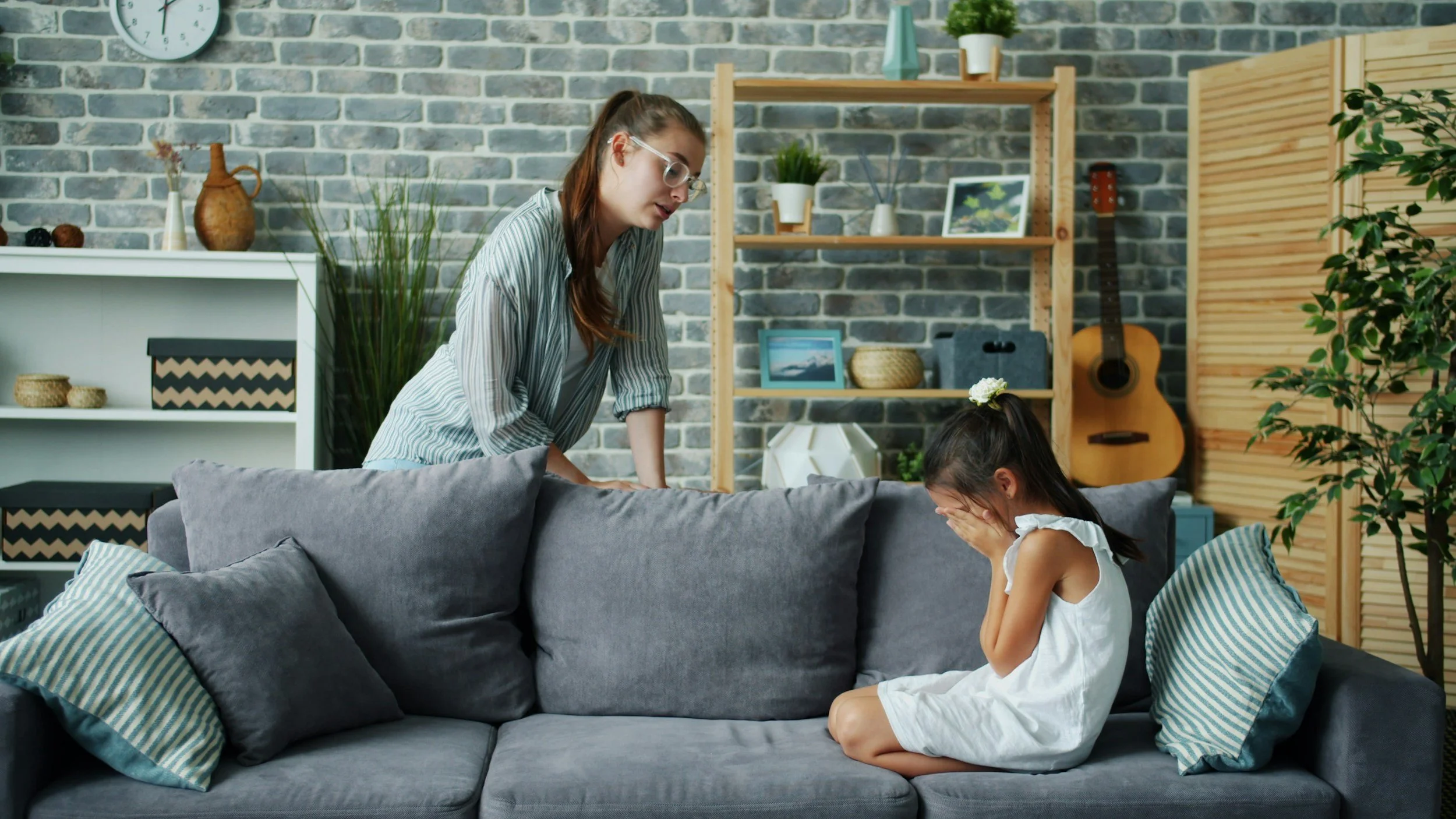
How to Stay Calm as a Parent Without Burning Out
Self-control is white-knuckling it. It is clenching your jaw while your child screams. It is forcing your voice to sound steady while your chest is tight and your thoughts are sharp. It is repeating in your head, “Don’t yell. Don’t yell. Don’t yell.” Self-regulation is different…

The Hardest Part of Parenting is Not the Behaviour.
The hardest part of parenting is not the behavior. I have sat through 60 minute meltdowns. I have felt trapped in my own home. I have fought systems that did not understand my child. Now it is puberty. The tone. The eye roll. The sting. Different season. Same work. The hardest part has always been what happens inside me.
Choosing Your Battles is Nervous System Work
Every request, expectation, or demand placed on a child requires nervous system energy. So does transitioning, tolerating discomfort, managing sensory input, navigating friendships, masking through the school day, and holding it together in public.

When we double down: Why escalation makes sense — and why it so often backfires
When things start to escalate, a powerful question to ask yourself is: Is this a teaching moment — or a regulation moment?

Control Isn’t the Goal. Safety Is.
For neurodivergent children — especially autistic children and those with PDA profiles — perceived loss of autonomy can feel genuinely threatening. Once that threat response is activated, the parts of the brain responsible for flexibility, reasoning, and learning simply aren’t available.

Helping Your Child Feel Competent - To Reduce Their Anxiety
If your child avoids challenges or crumbles quickly, it doesn’t mean they need tougher expectations. It often means they need more experiences of safe struggle, held by a calm adult who believes in their capacity before they do.

When Everything Feels Hard: Anxiety, Control, and What Helps
If your child shuts down easily, avoids challenges, or clings tightly, it doesn’t mean you’re doing too much — or that they’re doing too little. It often means their nervous system is asking for more safety before more stretch.

When the Reaction Is Big, the Story Is Old
If you grew up being judged harshly, you might now feel hypersensitive to the judgment of other parents, teachers, or strangers. When your child behaves in a way that draws attention, it might light up that old story: “I’m not good enough. I’m failing. They’re thinking I’m a bad parent.”

You’re Not Behind: Why Less is More in Autism Support
We don’t grow kids by fast-tracking them.
We grow them by meeting them where they are—and giving them the time, space, and nervous system safety to actually absorb what they’re learning.

It’s Not About the Sock: Why Your Child’s “Overreactions” Aren’t What They Seem
Children drown in shame after losing control.
Many of the kids I work with describe their meltdowns as terrifying, humiliating, and something they desperately want to stop—but can’t.

Parenting Screen Time Isn’t a Set-It-and-Forget-It Job—It’s a Lifelong Skill
Think about it: we don’t just say, “Here’s a salad. Don’t ever eat chips again.”
We talk about balance. We experiment. We notice how different foods make us feel. We screw it up. And we try again.

When Everything Feels Like Too Much: What to Do During the Hardest Parenting Moments
Hard moments are part of the deal. The big feelings, the sensory overload, the collision of competing needs. It’s chaos. And you’re not broken because it feels hard.

Finding sensory flow to teach self-regulation
We often try to ‘control’ our own mindset to be calm, receptive and engaging with our kids – suppressing our own needs bubbling under the surface. We can only maintain this level of self-control for so long….and then we blow. As do our kids.

What You See isn’t Always What You Get - Reframing Behaviours is a Critical Parenting Strategy
Just because we don’t find something stressful, doesn’t mean our kids experience it in that same way. Their behaviour is all they have to let us know how hard things are for them.

Less is More When it Comes to Supporting your Child’s Communication
The rule is that when we slow down with our kids, we create opportunity for development to speed up and our children to thrive. Assume competence. Give them room to think.

Understanding Mealtime Challenges - once and for all
Family meals and how they run require the unpacking of a very strongly ingrained value in most families. When looking at it through the lens of understanding and respecting neurodiversity, there is a lot more to consider.

Improve Sensory Processing : The Importance of Proprioception
For autistic children, who often experience sensory sensitivities and difficulties with regulation, proprioceptive input—activities that stimulate this sense—can be a game-changer.

Vestibular Input for Calm Regulation- Practical Strategies
When the brain does not receive coherent messages from the vestibular system, it wreaks havoc. Having over or under-registration in this sensory modality can look like a child that won’t move or try new things and always needs their feet on the ground to a child who takes extreme risks through their movement and can’t ever sit still.

Thinking about Intrinsic Motivation
Raising an intrinsically motivated child has been a priority for me even before I had Lily. I wanted my child, one day, to be driven by an internal desire to learn, be kind, have social responsibility, and succeed in life.