
How to Stay Calm as a Parent Without Burning Out
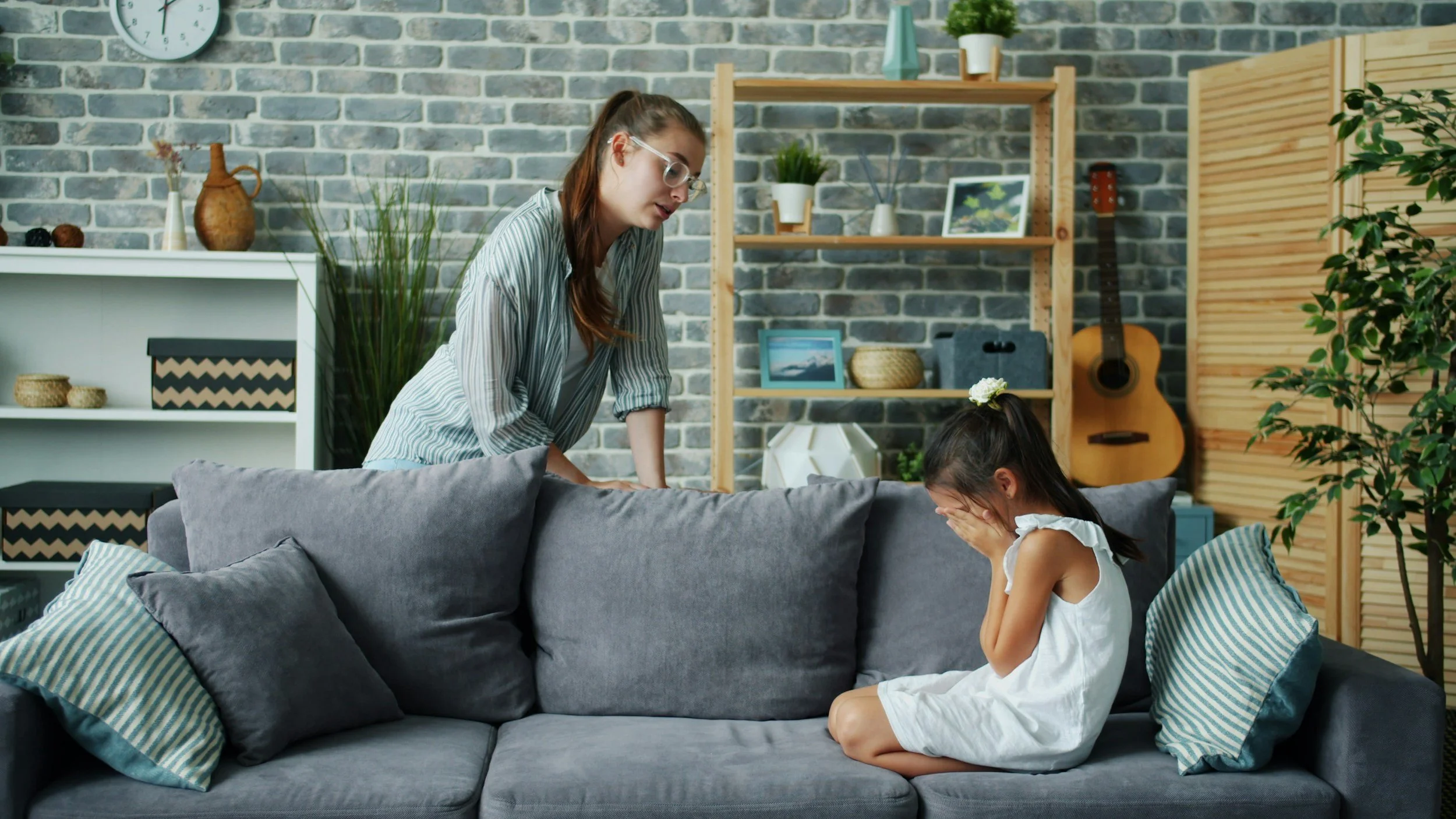
Self-control is white-knuckling it. It is clenching your jaw while your child screams. It is forcing your voice to sound steady while your chest is tight and your thoughts are sharp. It is repeating in your head, “Don’t yell. Don’t yell. Don’t yell.” Self-regulation is different…
“I know I need to stay calm… but I just can’t.”
Or this one:
“I stayed calm once or twice. But by the sixth time today? I’ve got nothing left.”
If you’ve ever thought that, you’re not broken. You’re not failing. And you’re definitely not alone.
The mistake most of us are making is not that we do not want to stay calm.
It is that we are trying to use self-control when what we actually need is self-regulation.
And those two things are very different.
Self-control is white-knuckling it. It is clenching your jaw while your child screams. It is forcing your voice to sound steady while your chest is tight and your thoughts are sharp. It is repeating in your head, “Don’t yell. Don’t yell. Don’t yell.”
It works temporarily.
You might get through that moment. You might even get through the second one.
But self-control burns fuel. Every time you override your nervous system without actually calming it, you drain your reserves. So by the fifth or sixth rupture of the day, whether that is forgotten shoes, sibling fighting, homework refusal, or backtalk, there is nothing left.
And then you snap.
Of course you do.
Your body was never regulated. It was restrained.
Self-regulation is something else entirely.
Self-regulation does not suppress activation. It shifts it.
It lowers your physiology. It sends cues of safety to your nervous system. It discharges stress instead of storing it. Instead of gripping tighter, it softens something.
I have been noticing this in myself recently.
I have been noticing this in myself recently.
Sometimes it is not the big moments. It is the small ones that stack.
You decide to take your child for a walk. Fresh air will help, you think. Two minutes in, they step straight into a puddle after you just reminded them to watch where they are going. Socks soaked. Shoes squelching. You know the sensory overwhelm is coming and the walk is over before it began. I can feel the heat rise in my chest. The urge to say, “I just told you.” The tightness in my jaw.
Or it is bedtime. You finally get everyone settled. You sit down. And then you hear it. “Mom.” You go back in. Tuck the blanket. Answer the question. Leave. Two minutes later, “Mom.” By the seventh call back, my body is buzzing. Irritation is right there. The thought, Why is this so hard?
When I use self-control in those moments, I can keep my voice steady. I can avoid snapping. But afterward, I feel tight and drained, like I held myself together by force.
When I regulate, even briefly, something shifts. A slower breath outside the bedroom door. A softening in my shoulders before I respond about the puddle. I still hold the boundary. I still guide. But I feel lighter afterward.
Not perfect. Not saintly. Just lighter.
There is less residue. Less emotional buildup. Less tension carried into the next interaction.
And that difference matters.
Because parenting is not one hard moment.
It is thirty-seven small ones in a row.
We do not just need to survive them. We need to move through them in a way that does not cost us more than we can afford.
So what does regulation look like in real time?
Sometimes it is as simple as lowering before you speak. Sitting down instead of standing over your child. Unclenching your hands. Softening your eyes. Your posture alone can signal safety to you and to them.
Sometimes it is lengthening your exhale. Breathing out longer than you breathe in. A long exhale tells your nervous system, “We are not in danger.” That is not mindset. That is biology.
And sometimes it is stepping away before you boil over. Saying, “I need one minute. I am coming back.” Running cold water over your wrists. Pressing your feet into the floor. Taking three slower breaths before you re-enter.
That is not abandoning your child.
That is preventing rupture.
Here is the shift I want you to hold:
If you are exhausted by staying calm, you are probably using self-control.
If you feel even slightly more spacious afterward, you used regulation.
This is not about becoming endlessly patient.
It is about building a nervous system that can stay steady without collapsing or exploding.
And that starts small.
The next time you hit that sixth moment of the day, the one where you usually lose it, do not ask, “Why can’t I stay calm?”
Ask instead:
What is happening in my body right now?
That awareness alone is the beginning of something different.
And different is enough for now.